What You Need to Know About Rule 57 of the Highway Code
We all love having our furry companions by our side, even when we’re driving. But did you know that allowing your dog to move freely in your car can be dangerous for both of you? What feels like a harmless habit could actually put your pet, you, and other road users at risk.
What Is Rule 57 of the Highway Code?
Rule 57 states:
“When in a vehicle, make sure dogs or other animals are suitably restrained so they cannot distract you while you are driving or injure you, or themselves, if you stop quickly.”
While the Highway Code itself isn’t law, it can be used in court to determine liability in an accident. If your dog is unrestrained during a crash, insurance companies may refuse to pay out or reduce your claim due to contributory negligence.
Most insurers also expect drivers to comply with the Highway Code, failure to do so can result in serious consequences, such as:
A £100 fixed penalty for careless driving
Up to £5,000 in fines if taken to court
Penalty points on your driving licence
While it may seem harmless to let your dog sit on your lap or hang their head out of the window, it could end up being a very costly mistake.
How to Travel Safely with Your Dog
Here are some essential tips to give your pet the protection they deserve, ensuring a safe, stress-free car journey for both you and your pet.
1. Check your insurance policies. Confirm that you’re covered for travelling with pets and understand your responsibilities, this includes checking your pet insurance.
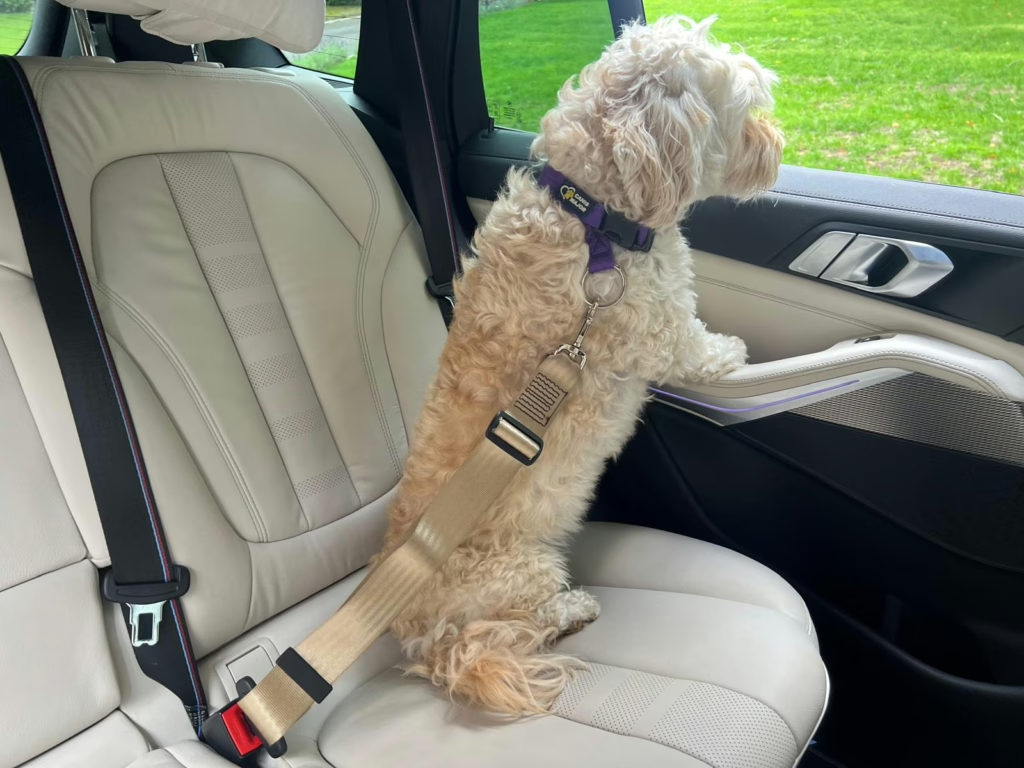
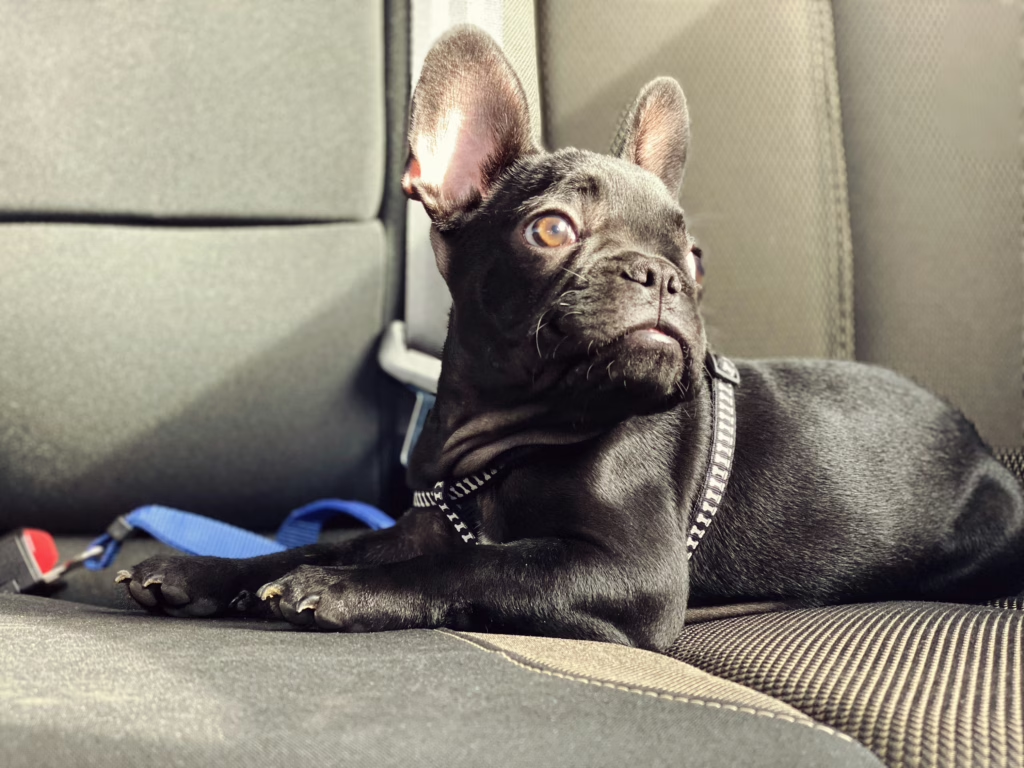
Use proper restraints. Always secure your dog with a dog seat belt or harness in the back seat, or use a dog crate or boot guard in larger vehicles. This prevents distractions and keeps your dog from being thrown forward during sudden stops or accidents.
2. Avoid the passenger seat. Airbags can be dangerous for dogs. If they must travel in the front seat, make sure to disable the passenger airbag.
3. Prepare for emergencies. Keep a pet first aid kit and have a plan in case of breakdowns or accidents.
4. Bring water and treats. Stay prepared for longer journeys to keep your dog hydrated and comfortable.
5. Don’t feed your dog right before travelling. This helps prevent car sickness.
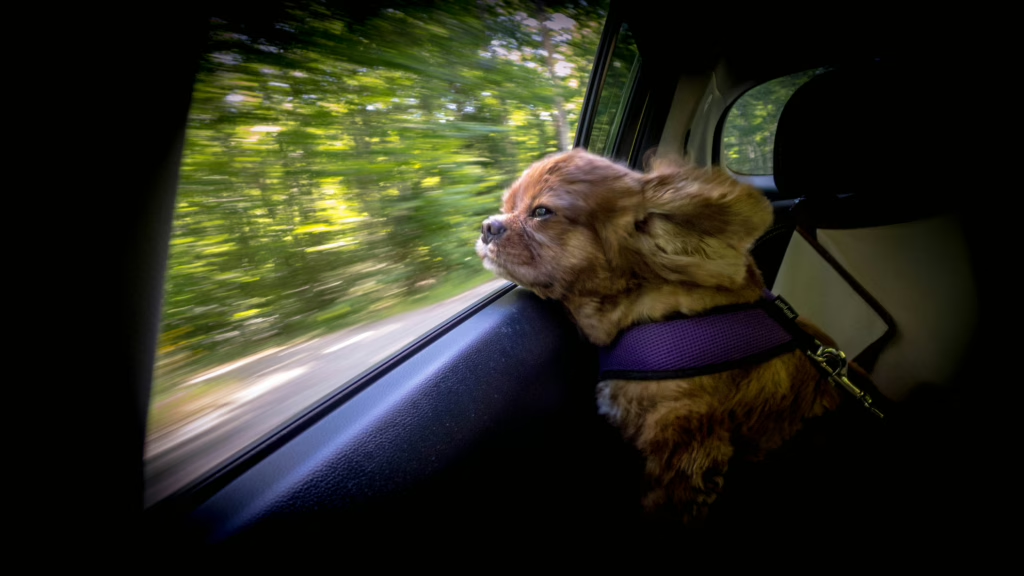
6. Keep paws and heads inside. As common as it is and seemingly harmless to do, hanging out the window can cause injuries from debris, passing vehicles and tree branches.
8. Never leave your dog alone in the car. Even on mild days, temperatures can rise quickly and cause heatstroke.
Choosing the Right Travel Equipment for Your Dog
Your pet’s safety depends on using the right travel accessories. Look for adjustable, comfortable, and durable restraints that keep your dog secure without restricting movement.
Our in-car dog seat belt is an affordable and effective way to keep your pet safe, and it could save you from a £5,000 fine or worse.
Being a responsible dog owner means protecting your pet and everyone else on the road. At WEBRE we want to make it an easy choice to help you and your pet have a safer experience, one journey at a time.