
When replacing a seat belt buckle, it’s essential to get the correct size and type for your vehicle. The wrong fit could lead to safety issues, MOT failure, or a frustrating installation process.
Whether you’re replacing a damaged buckle or upgrading your car’s safety system, taking accurate measurements will help you choose the right part the first time.
In this guide, we’ll walk you through how to measure a seat belt buckle correctly, what key dimensions to note, and some common terms to know before you shop.
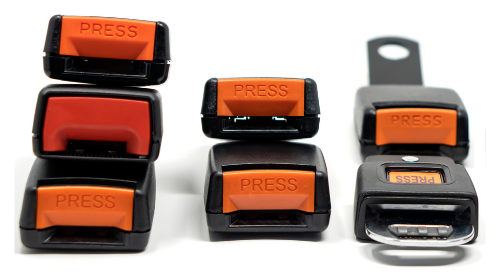
Not all seat belt buckles are the same. There are variations in the buckle length, mounting style, and tongue compatibility. These differences can affect whether the new buckle locks in properly and aligns safely in your car’s seat configuration.
For best results, it’s always a good idea to measure your existing seat belt buckle before ordering a replacement.
Tools You’ll Need
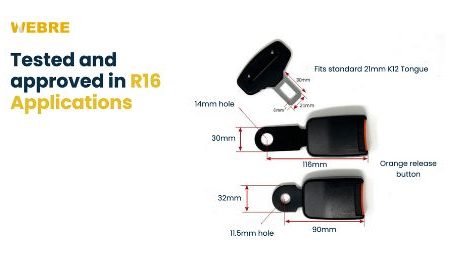
The first measurement to take is the blade or stalk length, which is the length from the mounting bolt or base to the buckle housing (where the seat belt clicks in).
How to measure it:
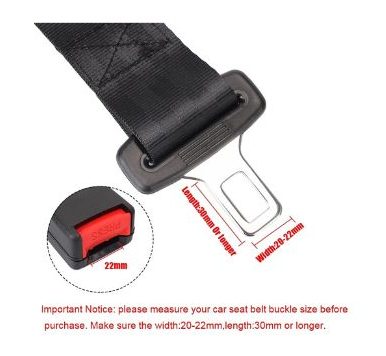
Next, measure the slot where the seat belt tongue inserts. This is vital to ensure your seat belt latch plate fits and locks securely.
How to measure it:
Seat belt buckles are typically mounted using a bolt or bracket. Check the type and size to make sure your new buckle will install correctly.
What to check:
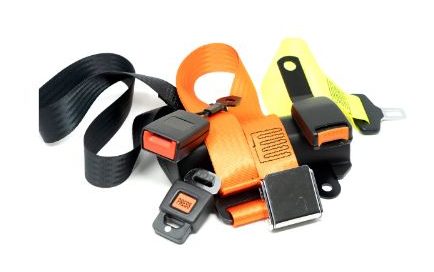
There are several types of seat belt buckles. Knowing yours helps with selecting the correct replacement.
Common types:
Switchable or sensor-equipped buckles (with wiring for seatbelt warning systems)
With all these measurements noted down, searching for a replacement buckle on WEBRE should make it easier.
Not only will you be able to find the one you need but also rest assured that all our buckles are ECE R16 certified meeting UK/EU safety standards.
If you’re unsure about your buckle measurements or need help identifying the right type, our team is happy to assist. You can even take a close-up photo of your current buckle and get in touch with our Customer Service team to help you find the right match.